Theyla: A Dreamy Script Font for Editorial Elegance
The cursor blinked on the screen, hovering over the header of a lifestyle blog redesign I was working on last week. The client wanted something that felt personal yet polished, a typeface that could bridge the gap between a handwritten note and a professional magazine cover. After scrolling past dozens of rigid sans serifs and overly decorative display fonts, I landed on Theyla. It stopped me immediately. There is a specific rhythm to this script font that feels less like a digital asset and more like a genuine expression of grace. In the world of editorial design, finding a typeface that carries emotional weight without sacrificing legibility is rare, but Theyla manages to strike that delicate balance perfectly.
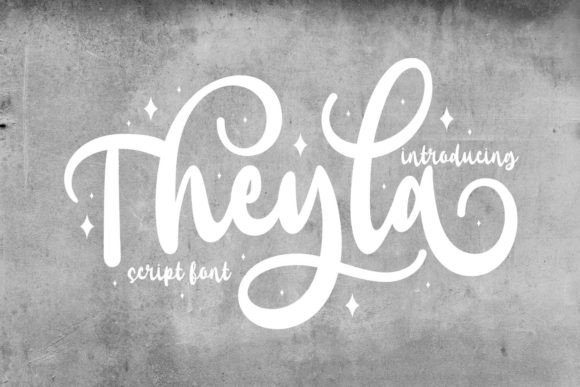
Visually, Theyla possesses a soft, dreamy quality that instantly elevates the mood of any layout. Unlike many modern typography trends that lean towards sharp edges or geometric perfection, this typeface embraces fluidity. The strokes vary naturally, mimicking the pressure of a real pen on paper, which adds a layer of authenticity to digital content. When I tested it for a recipe ebook chapter opener, the letters seemed to dance across the page, inviting the reader to slow down and savor the content. This makes it an exceptional choice for creators who want their brand identity to feel approachable, warm, and human.
Establishing Visual Hierarchy in Digital Publications
One of the primary challenges in creating digital magazines or course PDFs is establishing a clear visual hierarchy. Readers need to know where to look first. Theyla excels as a display font for titles, subtitles, and pull quotes. In a recent newsletter graphic project, I used Theyla exclusively for the main headline while pairing it with a clean, neutral body text. The contrast was striking. The ornate curves of the script drew the eye immediately, acting as a visual anchor, while the simplicity of the supporting text ensured the message remained clear.
This dynamic works beautifully across various formats. Whether you are designing a wedding guide, a coaching workbook, or a printable planner, using Theyla for section headings creates a consistent thread of elegance throughout the document. It signals to the audience that the content within is curated and thoughtful. However, it is crucial to remember that such an expressive handwritten font is best reserved for short bursts of text. Using it for long paragraphs or dense informational blocks can fatigue the reader's eye, especially on smaller mobile screens.
Practical Applications for Content Creators
The versatility of Theyla extends far beyond simple headers. For independent content brands and authors, this font can become a cornerstone of brand identity. Imagine using it for the cover text of a self-published novel or the logo design for a boutique stationery shop. The character of the font suggests creativity and care, qualities that resonate deeply with audiences in the lifestyle and wellness sectors.
- Blog Headers: Instantly adds personality to homepage banners and article titles.
- Social Media Graphics: Perfect for quote cards and Instagram stories where aesthetic appeal drives engagement.
- Packaging Design: Adds a premium, artisanal touch to product labels and tags.
- Web Design: Ideal for hero sections and call-to-action buttons that need to stand out.
In a real-world test for a digital magazine layout, I utilized Theyla for pull quotes scattered throughout a feature article. These breaks in the text not only improved readability by giving the reader a visual rest but also highlighted key insights in a way that felt organic rather than forced. The font's natural flow guided the eye down the page, encouraging deeper engagement with the story.
Readability and Technical Considerations
While the aesthetic appeal of Theyla is undeniable, a responsible designer must always consider readability. Script fonts can be tricky when scaled down. In my testing, I found that Theyla maintains its clarity well at medium to large sizes, making it suitable for print materials and high-resolution PDF exports. However, for small captions or footnotes, it is advisable to switch to a more functional sans serif font or a classic serif font. This ensures that essential information remains accessible to all readers, regardless of the device they are using.
When preparing files for web use, optimizing the font loading is key to maintaining site speed. Since Theyla is a detailed script, ensure you are using the correct file formats (such as WOFF2 for web) to prevent rendering issues on different browsers. For print projects, the vector nature of the font ensures crisp edges, whether it is being used on a business card or a large format poster.
Mastering Font Pairing for Editorial Balance
The true power of a creative font like Theyla is unlocked through effective font pairing. Because it has such a distinct personality, it pairs best with understated companions. A geometric sans serif provides a modern counterpoint, grounding the whimsy of the script with structure. Alternatively, a traditional serif font can enhance the classic, literary feel, making it perfect for editorial features or book covers.
Avoid pairing Theyla with other decorative or highly stylized fonts. Doing so creates visual noise that confuses the reader and dilutes the impact of the design. The goal is to let Theyla shine as the star of the show while the supporting typeface handles the heavy lifting of information delivery. This balance is essential for maintaining professionalism in commercial font applications, such as client publications or paid newsletters.
Final Thoughts on Licensing and Usage
Before integrating Theyla into your next project, whether it is a template for sale or a client's branding package, always review the licensing terms. Understanding the scope of commercial use is vital for protecting your work and respecting the creator. Check for included styles, alternates, and ligatures that might offer additional flexibility in your designs. Many premium fonts come with multilingual support, which can be a deciding factor for global publications.
In conclusion, Theyla is more than just a set of characters; it is a tool for storytelling. It brings a sense of calm and sophistication to design assets, helping creators communicate not just information, but emotion. By using it strategically within a well-structured layout, you can transform a standard document into a memorable experience. For bloggers, publishers, and designers looking to add a touch of grace to their work, this gorgeous typeface is certainly worth exploring.